https://tinyurl.com/hsh33zy
Igor Purlantov Favorite quote: “The greatness of a nation and its moral progress can be judged by the way its animals are treated” - Mahatma Gandhi
Showing posts with label species. Show all posts
Tuesday, February 14, 2017
Strange Love: 10 Animals with Truly Weird Courtship Rituals
On Valentine's Day, lovers who are eager to woo their partners show their affection with traditional gifts of red roses, heart-shaped boxes of chocolates, or with romantic dinners at fancy restaurants. There's usually some effort involved, but pulling off a memorable Valentine's Day is easier — and generally safer — than some of the courtship rituals performed by other animal species.
https://tinyurl.com/hsh33zy
Wednesday, July 6, 2016
Goats Form Intense Connections with Humans, Too
Goats have surprisingly just been added to the very short list of animals that are known to communicate in very direct and complex ways with humans. The other two animals, dogs and horses, are often raised as companions to humans, so the goat findings -- reported in the journal Royal Society Biology Letters -- mark the first time that an animal raised primarily for food has evolved such an intense and meaningful connection with our species.
http://tinyurl.com/zposyvkThursday, June 30, 2016
Sharks vs. Dolphins: Face Off
“Reel them in,” marine ecologist Dr. Mike Heithaus says with a laugh. No, Shark Week titles don’t get much grabbier than his, Sharks vs. Dolphins: Face Off, which premieres tonight at 10 p.m. on Discovery. As it suggests, the two species are at odds more than we suspect, and the hour looks at not only likely attack scenarios — see one in the sneak peek above — but also the strengths and weaknesses of each.
http://tinyurl.com/jp4j42a
Labels:
dr. mike heithaus,
face off,
igor purlantov,
scenarios,
sharks vs dolphins,
sharlk week,
sneak peek,
species
Thursday, May 5, 2016
What Are the Smartest Animals on the Planet?
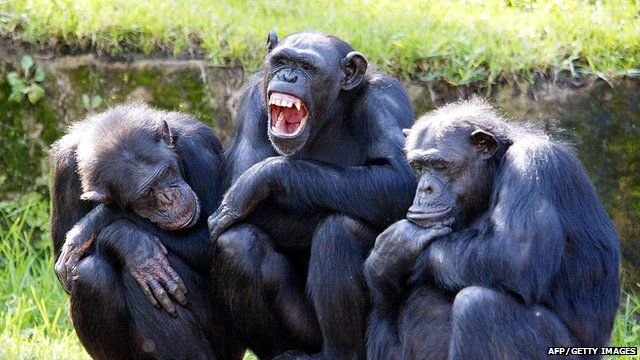
Humans aside, chimpanzees would have to be at the the top of any consideration about relative intelligence of animals. They are most like us, sharing 99% of the same DNA, as we have have descended from the same ancestor species that lived 6-7 million years ago.
http://tinyurl.com/h6x8lva
Wednesday, April 6, 2016
Animals Have to Live Fast to Survive Next Extinction
How do you survive when the world is crumbling around you, and basically all of your neighboring species are going extinct? You can either use tools to adapt to your new environment, or you can start having lots of kids in the hopes that maybe they can make something of themselves in this strangely spacious new world.
http://tinyurl.com/jy8w9yn
Monday, April 4, 2016
NY Academy of Art Has Animals as Models for Class
At the New York Academy of Art in TriBeCa, it wouldn’t be insulting to say that the live models are a bunch of animals. That’s because for one of the MFA program’s drawing classes, they are. Wade Schuman, the director of the graduate school’s painting academy, came up with the idea about four years ago. Ever since, he’s brought in all manner of species to the classroom.
Wednesday, March 9, 2016
Big Brained Animals Are Sicker
Bigger brained animals may be more vulnerable to a barrage of illnesses than species whose evolution has selected for immunity over braininess.“Organisms have to deal with the limited energy they have available -- they cannot have it all,” Alexander Kotrschal of Stockholm University’s Department of Biology told Discovery News. Kotrschal and colleagues Niclas Kolm and Dustin Penn conducted the research, which is published in the journal Proceedings of the Royal Society B.
http://tinyurl.com/zrxofts
Labels:
alexander kotrschal,
big brained animals are sicker,
bigger brained animals,
department of biology,
dustin penn,
igor purlantov,
illnesses,
more vulnerable,
niclas kolm,
organisms,
species,
stockholm university
Wednesday, February 17, 2016
Students Learn Hands-on With Animals
Talking birds, goats butting heads, and a giant tortoise that hangs out with chickens are all part of a living classroom. High-school students at the Career Center in Arlington, Virginia are learning firsthand, and hands-on, how to care for animals. They are at the animal science laboratory, learning about, and taking care of, about 50 species of animals.
Monday, January 18, 2016
What Does It Mean When Animals Suffer a Vast Die-Off?
Are die-offs occurring more often? To the casual reader, it can certainly seem that reports emerge on a regular basis of thousands of animals of a species suddenly dying. The latest victims are common murres in the Northeast Pacific. They have been dying for months, but estimates of the toll jumped sharply when David Irons, a retired United States Fish and Wildlife Service biologist walking a beach in Whittier, Alaska, found close to 8,000 dead birds in early January.
http://tinyurl.com/zrumb9w
Labels:
alaska,
bioloogist,
david irons,
dead birds,
igor purlantov,
january,
northeast pacific,
species,
suffer a vast die off,
united states fisg and wildlife services,
what does it mean,
when animals,
whittier
Monday, November 2, 2015
Unusual Ocean Animals Spotted Across California
Warmer waters across the California coast have brought unprecedented sightings of marine animals along the shore and in the water. Larger fish and bigger schools of fish are staying around later in the year, and in some cases, species that have never before been documented in California have found their way to California shores.
Wednesday, October 28, 2015
When Animals Shrink to Miniature Form
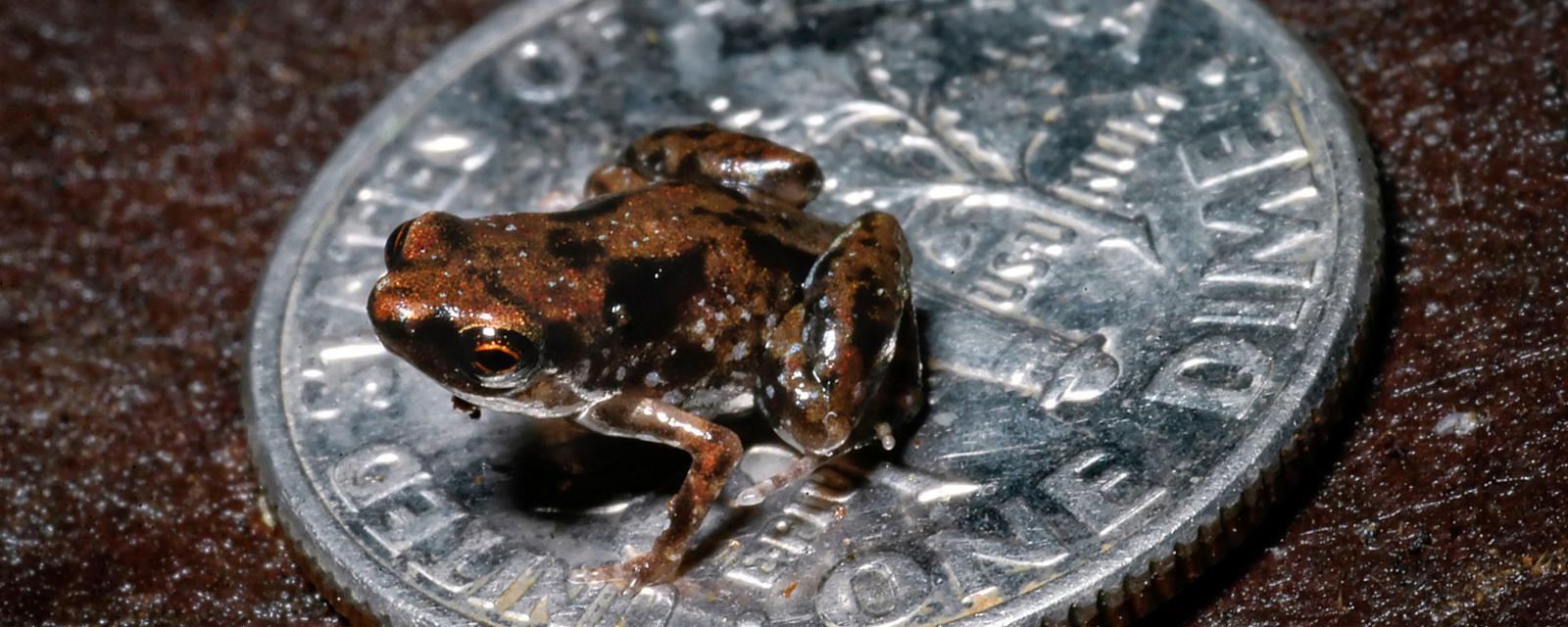
A tiny dwarf chameleon just 29mm long (1.1 inches) and a record-breaking miniscule frog measuring in at 7.7mm (0.3 inches) are among the headline-grabbing species of diminutive proportions that have only been discovered in the past few years.
http://tinyurl.com/na3ouc3
Tuesday, August 11, 2015
These 18 Animals Could Become Extinct In Your Lifetime
According to the Guardian, species around the world are disappearing at almost 1,000 times the natural rate — which means we’re losing around 150-200 species every day. Close to 15% of all mammal species and 11% of all bird species are currently listed as threatened with extinction. And while the human population shows no signs of slowing down, we continue to appropriate more land to develop cities, acquire natural resources, and build farms, not realizing or caring that we’re destroying other creatures’ natural habitats (not to mention man-made disasters like oil spills, climate change, acid rain, and over-hunting and fishing). These animals are just a fraction of the thousands in danger of extinction…
http://tinyurl.com/o958xdm
Monday, May 11, 2015
Cutest Animal Parenting Moments Ever
Humans aren’t the only species that can be incredibly affectionate towards their children. As these adorable pictures show, the intimate child-parent relationship can be witnessed across the animal kingdom.
http://tinyurl.com/ouerdw2
Thursday, March 26, 2015
Endangered Species Then and Now
The Endangered Species Act is more than 40 years old, which begs the question: Where are they now? “They” being the thousands of threatened plant and animal species that are protected under the landmark legislation. Maintaining biodiversity is no easy feat, but many species have rebounded since the act’s inception in 1973. So far, 59 species have been delisted, 20 of which are considered true success stories. But others haven’t been so lucky. An animal can be taken off the list if it is no longer threatened or if it goes extinct. Today, more than 1,400 plants and animals remain endangered or threatened.
http://tinyurl.com/oem6l6pTuesday, March 19, 2013
Extinct Animals Could Come Back
Until recently, the arrow of natural selection seemed to go only one
way. A species could form, then it could flourish, then it could go
extinct. And once it was extinct, it could not come back. Now, though, some scientists say they see a new path.
http://tinyurl.com/d4rk3aq
Labels:
animals,
extinct,
geneticist,
george church,
harvard medical school,
igor purlantov,
natural selection,
pets,
purlantov,
species
Thursday, November 29, 2012
Which Shark Species Has the Strongest Bite?
You might be surprised to learn that the shark with the strongest bite is not the great white, the tiger shark or even the great hammerhead. Rather, it's the more modestly-sized bull shark, according to BBC Nature.
Labels:
animals,
bull shark,
great white,
hammerhead,
igor,
igor purlantov,
purlantov,
shark,
species,
strongest bite,
tiger shark
Tuesday, March 13, 2012
Salamander Species Deemed World's Oldest, Beiyanerpeton Jianpingensis, Lived 157 Million Years Ago
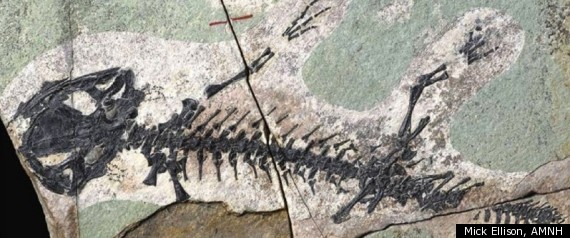
A newly discovered 157-million-year-old salamander is the oldest of its kind and would've swum with the aquatic beasts of the Jurassic. The discovery supports the idea that this order diverged from other salamanders earlier than thought, the researchers said. Six specimens of this new species, now called Beiyanerpeton jianpingensis, were discovered in the Tiaojishan Formation, in Liaoning Province, China.
Labels:
animals,
china,
igor,
igor purlantov,
oldest,
purlantov,
salamander,
species
Monday, September 19, 2011
12 New Frog Species Discovered
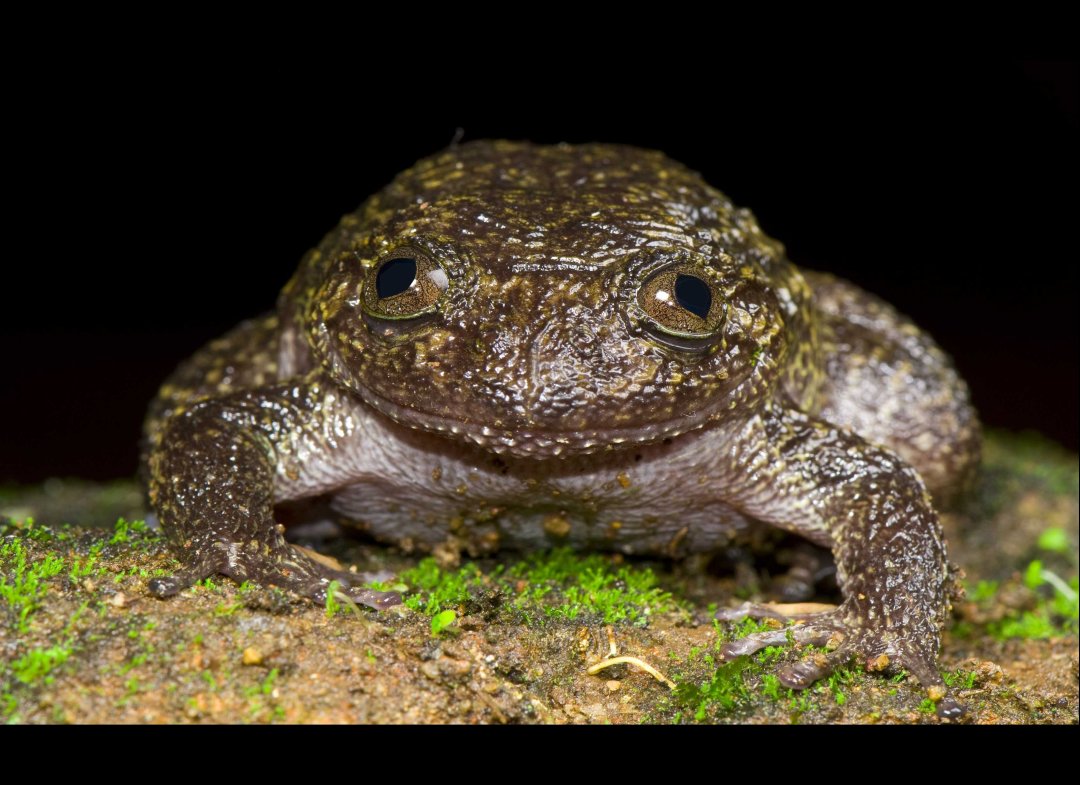
Years of combing tropical mountain forests, shining flashlights under rocks and listening for croaks in the night have paid off for a team of Indian scientists which has discovered 12 new frog species plus three others thought to have been extinct.
Labels:
animals,
coorg,
discovered,
frogs,
igor,
igor purlantov,
india,
new,
night frogs,
pets,
purlantov,
sathyabhama das biju,
scientists,
species,
wayanad
Monday, June 27, 2011
More than 1,000 Species Discovered in New Guinea
A new type of tree kangaroo, a 2.5-metre-long river shark, a frog with vampire-like fangs and a turquoise lizard are among hundreds of new creatures found and being documented in a report by conservationists working in the Pacific island of New Guinea.
http://tinyurl.com/6hshmzl
Labels:
animals,
conservation,
discovered,
exotic,
igor,
igor purlantov,
new guinea,
pets,
purlantov,
species,
wildlife
Subscribe to:
Posts (Atom)