Monday, February 15, 2016

Stick Insect Helps Scientists Study How Animals Move

Stick insects, which look like walking twigs, are popular as pets and research subjects because they’re easy to keep, can’t fly away, and move at a pace that allows observation and study.  “I think they’re really, really sweet insects,” said Chris J. Dallmann, a researcher at Bielefeld University in Germany, who just completed a scientific report on the biomechanics of a stick insect’s six legs and what are, loosely speaking, its knee and hip joints.

http://tinyurl.com/gl3kxz7

Friday, February 12, 2016

Video: Orphaned Animals Learn to Love After Losing Their Mothers

The bond shared between animals and their parents is just as strong as that in humans. With this in mind, when a baby animal loses their parent – for any reason, the impact is absolutely devastating.  Sadly, many baby wild animals are forced to face this tragedy as a result of poaching and the illegal wildlife trade. Many think that when an elephant is killed for their tusks, for example, they are the only victim. But what we don’t realize is that these animals live in family and social groups as complex as our own. And many times, when an adult is killed, they leave behind children.

Thursday, February 11, 2016

Would You Still Eat Meat If Animals Could Talk?

Futurologist Ian Pearson recently predicted that by 2050 it will be possible to implant devices into our pets and other animals to give them the ability to speak to us.This raises the interesting question of whether such a device would provide animals raised and slaughtered for food with a voice, and whether this voice would make us think twice about eating them.

http://tinyurl.com/hcjaxrx

Wednesday, February 10, 2016

Three Animals Have Died at SeaWorld San Antonio

Dart was a Pacific white sided dolphin, the kind that’s known for zipping through the water near the bows of ships and performing ocean acrobatics, one of the most active and playful species of an already active and playful animal.  But for the past month, the 12-year-old SeaWorld San Antonio show animal had been ailing. And this weekend, he died, the park said.  Dart was the third mammal to die at the Texas SeaWorld branch in as many months, his death coming fast on the heels of those of Unna, an orca, and Stella, a beluga whale.

http://tinyurl.com/h7mmdhj

Tuesday, February 9, 2016

Not So Dumb Animals: Putting Dog Through IQ Test

Like anyone who has ever had to fight Fido for space by the fire, I’ve never had much time for the idea that dogs are just dumb animals. Sure, they can play the innocent after snaffling that stilton, but in reality they operate with a low and lethal cunning that’s all too familiar.

http://tinyurl.com/h9zwkqr

Monday, February 8, 2016

As Perceptions of Animals Evolve, So Does English

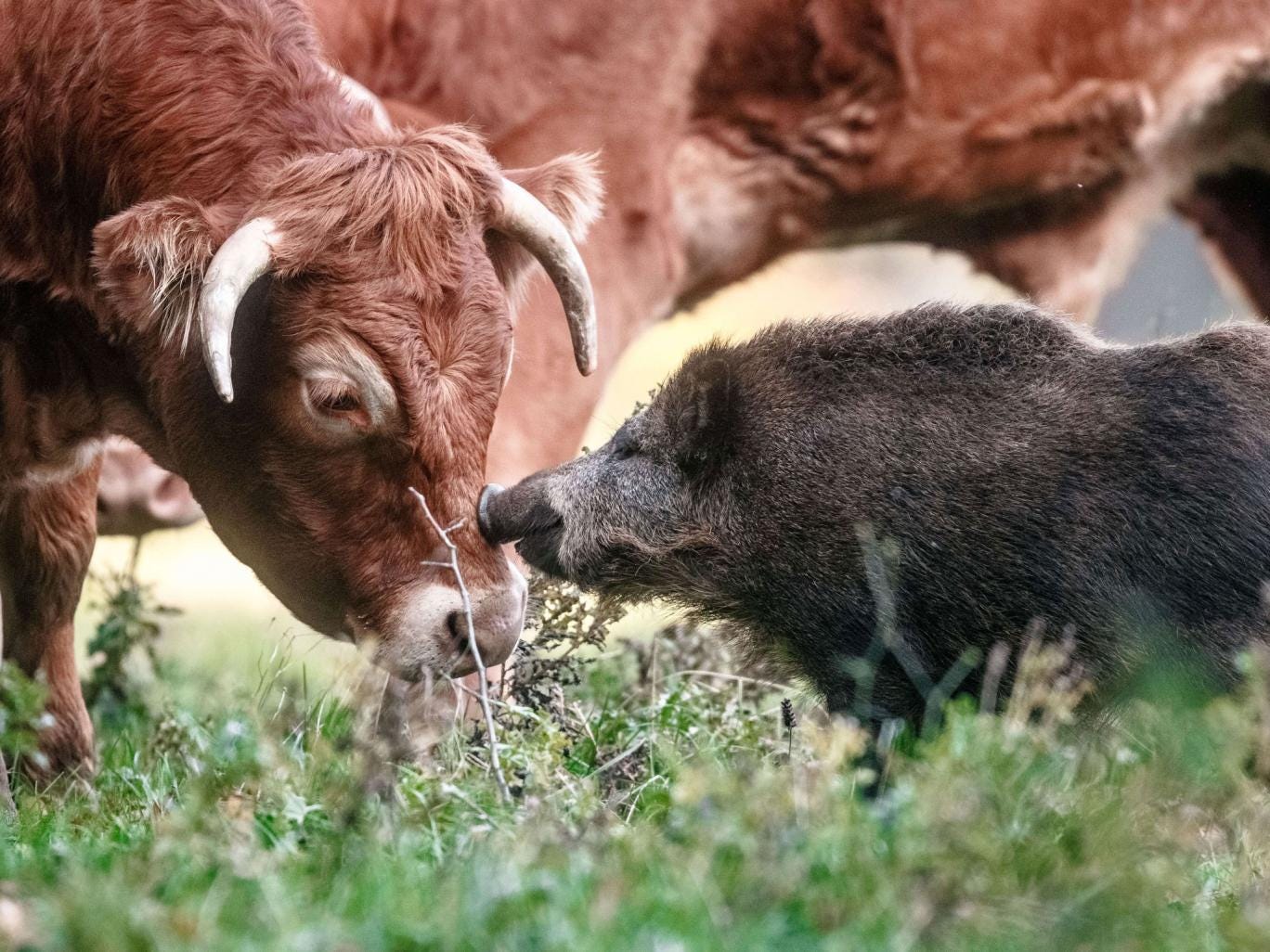
Last month, a steer escaped from a slaughterhouse in the New York City borough of Queens. Video of the animal trotting down a busy street was soon featured on many media outlets. For those who care about animals, the story has a happy ending: The steer was captured and taken to a sanctuary, where he will live out the remainder of his natural life.

http://tinyurl.com/zpjclnv

Thursday, February 4, 2016

Life Isn’t a Cartoon, and Animals Are Not Our Playthings

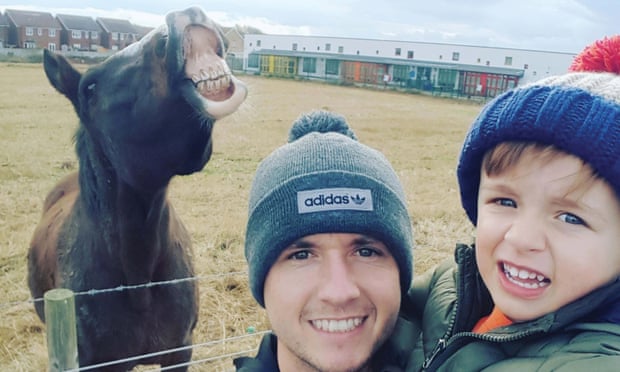
Sometimes, in the small hours, terrible visions haunt you. Loved ones, upset. Abandoned children. Satanic flashes. Long-suppressed scenes from especially frightening films. And now, to add to the portfolio of nighttime horrors, we have Betty the photobombing horse from Prestatyn, north Wales.

http://tinyurl.com/jrt6la5

Wednesday, February 3, 2016

Five Reasons You Need to Watch "Animals"

Rodents (and cats and dogs and pigeons) are people, too — at least in the clever, offbeat, and slightly sad new HBO animated series Animals. Brought to you by the Duplass Brothers producing arm, Animals was created by young up-and-comers Phil Matarese & Mike Luciano. Originally scheduled for a February 5th release, we just found out today that the premiere episode will be available online a day early, on Thursday. Here are five reasons you should watch:

http://tinyurl.com/hdd5mey

Tuesday, February 2, 2016

Oxygen-Free Animals Don't Exist After All

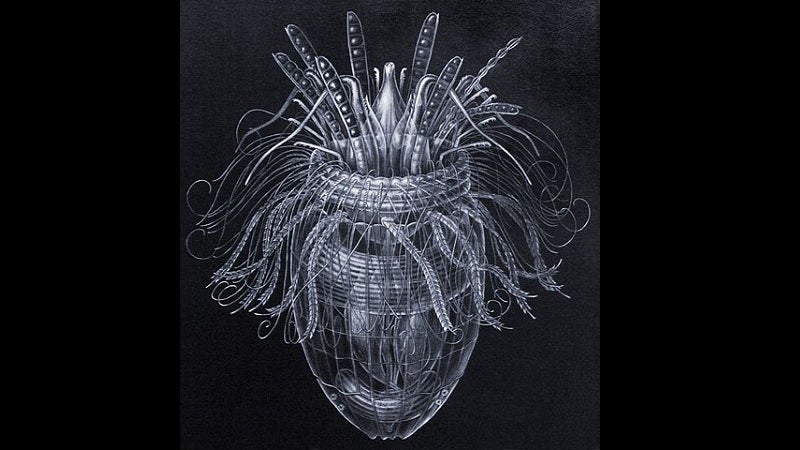
In 2010 a group of scientists announced that they’d found evidence of multi-cellular life in hyper-salty, oxygen-free pools at the bottom of the ocean. A new study indicates that what they thought were living animals were actually corpses taken over by bacterial “body-snatchers.”  Scientists from the Woods Hole Oceanographic Institution have published a paper in BMC Biology that dashes the hopes of biologists on Earth and those who hope to find life in extreme conditions on other planets. Their findings cast doubt on whether or not metazoans can ever live entirely without oxygen.

Monday, February 1, 2016

Big Animals Poop Out, Study Of Daring Doo

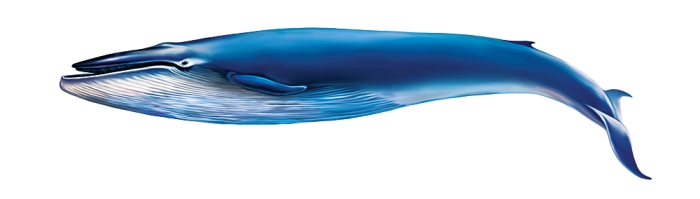
Once upon a time, giant mammoths roamed Earth and the oceans teemed with great whales. These creatures ate massive quantities of food and deposited equally massive quantities of poop. A new study shows that these big animals and others like them, along with vast flocks of seabirds, schools of migrating fish, and herds of grazing animals, played a more vital role in keeping the planet fertile than previously believed.

http://tinyurl.com/hrbc6eu